

Designing Your Daily Routine After Work
Structure matters less than meaning. Learn how to build a day that actually feels good instead of empty.


Why Your Routine Matters More Than You Think
Here's what nobody tells you about retirement: you'll have all the time in the world, and that's exactly the problem. Without work anchoring your day, hours drift. Days blur together. You wake up wondering what you're actually doing with yourself.
It's not laziness. It's not depression. It's just that humans need structure — not the rigid kind you escaped from your job, but the kind that creates rhythm and purpose. A good routine isn't about control. It's about knowing what matters to you and protecting time for it.
The right daily structure can transform how you experience retirement. You'll feel more energized. Sleep better. Actually accomplish things. And most importantly, you'll stop feeling like you're waiting for your real life to begin.

01
Start With Your Non-Negotiables
Before you design anything, identify what actually has to happen. Not what you think should happen. What genuinely matters to you.
For most people, this includes sleep (7-9 hours for your age group), movement (30-45 minutes most days), and connection (time with people you care about). But it might also include spiritual practice, creative work, learning something new, or contributing to your community.
Write these down. Be specific. "Stay healthy" is vague. "Morning walk for 40 minutes three times a week plus one yoga class" is concrete. You'll build everything else around these anchors.
- Sleep: 7-9 hours, consistent bedtime
- Movement: type and duration that feels good
- Social time: frequency and with whom
- Any personal projects or hobbies
- Volunteer work or community involvement


02
Build Your Morning Architecture
Mornings set the tone for everything that follows. You don't need to be a sunrise person or do a complicated ritual. You just need something intentional.
Start simple. Maybe it's 30 minutes before doing anything else — coffee, a walk, journaling, stretching, reading. Something that makes you feel like yourself. Most people find that even small morning anchors reduce the "lost" feeling that comes with unstructured days.
The key: protect this time. Don't check email. Don't jump into errands. These first 30-60 minutes are for you to transition from sleep into your day with some intentionality. That matters far more than the specific activity.
03
Create Rhythm Without Rigidity
One of the biggest mistakes people make is trying to schedule retirement like work. Time blocks every hour. It doesn't work. You'll feel trapped and resentful.
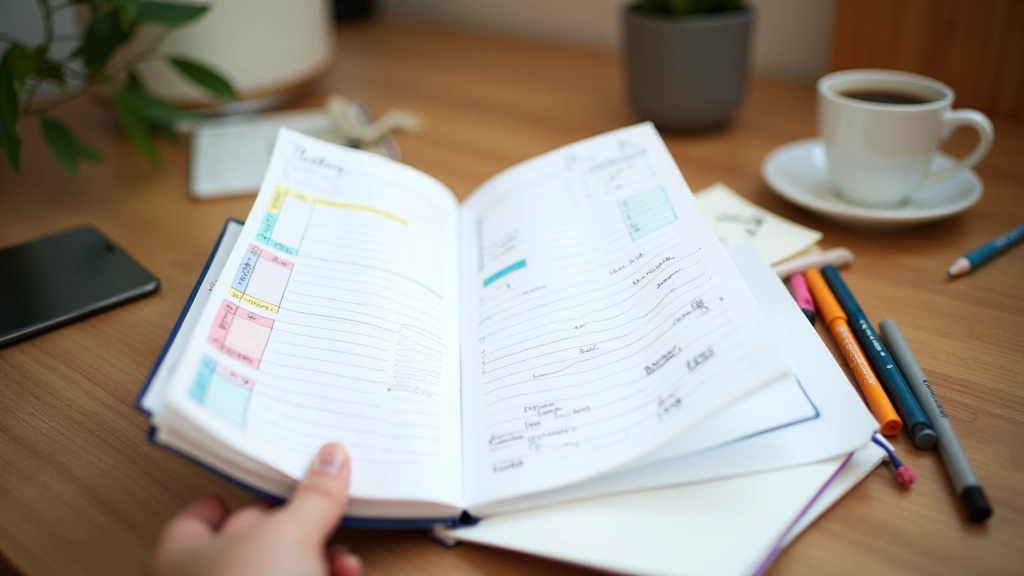
Instead, think in terms of rhythm. Tuesday is the day you meet your friend for coffee. Thursday morning is always for your hobby. Wednesday you volunteer. Friday you try somewhere new. These patterns create structure without the suffocation of a strict schedule.
This approach gives you consistency (your brain likes knowing what's coming) while keeping space for spontaneity and flexibility. You're not locked in. You're just creating gentle patterns that organize your week.
Real example: Maria has coffee and journaling every morning (non-negotiable). Tuesday she walks with her neighbor. Thursday she takes a painting class. Friday she cooks something elaborate. The rest of her time is flexible — some days she reads, some days she visits her daughter, some days she does absolutely nothing. But the rhythm keeps her grounded.

04
Protect Your Social Time
This might be the most important part of your routine. Loneliness is real in retirement, and it creeps up when you don't have work social contact built into your day.
Schedule social time the same way you'd schedule a doctor's appointment. This isn't optional. Even if you're introverted, connection matters. It could be a weekly coffee with one friend, a volunteer shift where you work with others, a class, a club, or a regular family dinner. Whatever fills your cup.
The difference between thriving and struggling in retirement often comes down to one thing: did you maintain your social connections? Build this into your routine from day one, not as an afterthought when you're already feeling isolated.
The Routine That Grows With You
Your routine won't be perfect, and it doesn't need to be. Some days you'll skip your walk. Some weeks the rhythm shifts. That's fine. A good routine is flexible enough to adapt as you change, but structured enough to keep you grounded.
The real goal isn't filling every hour. It's creating a life that feels intentional instead of aimless. Where you wake up knowing what matters to you and you've protected time for it. Where your days have shape without feeling controlled.
Start small. Pick your three non-negotiables. Build one morning ritual. Add one weekly rhythm. Then adjust based on how it feels. You're not following someone else's blueprint — you're designing a life that's actually yours.
Important Note
This article provides educational information about retirement lifestyle design and daily routine structure. It's not a substitute for personalized coaching or professional guidance. Every person's situation is unique. If you're struggling with the transition to retirement, loneliness, or lack of direction, working with a certified retirement coach or therapist can provide tailored support for your specific circumstances. The strategies described here are general approaches that work for many people, but what works best for you depends on your individual needs, health, interests, and life situation.
Related Articles